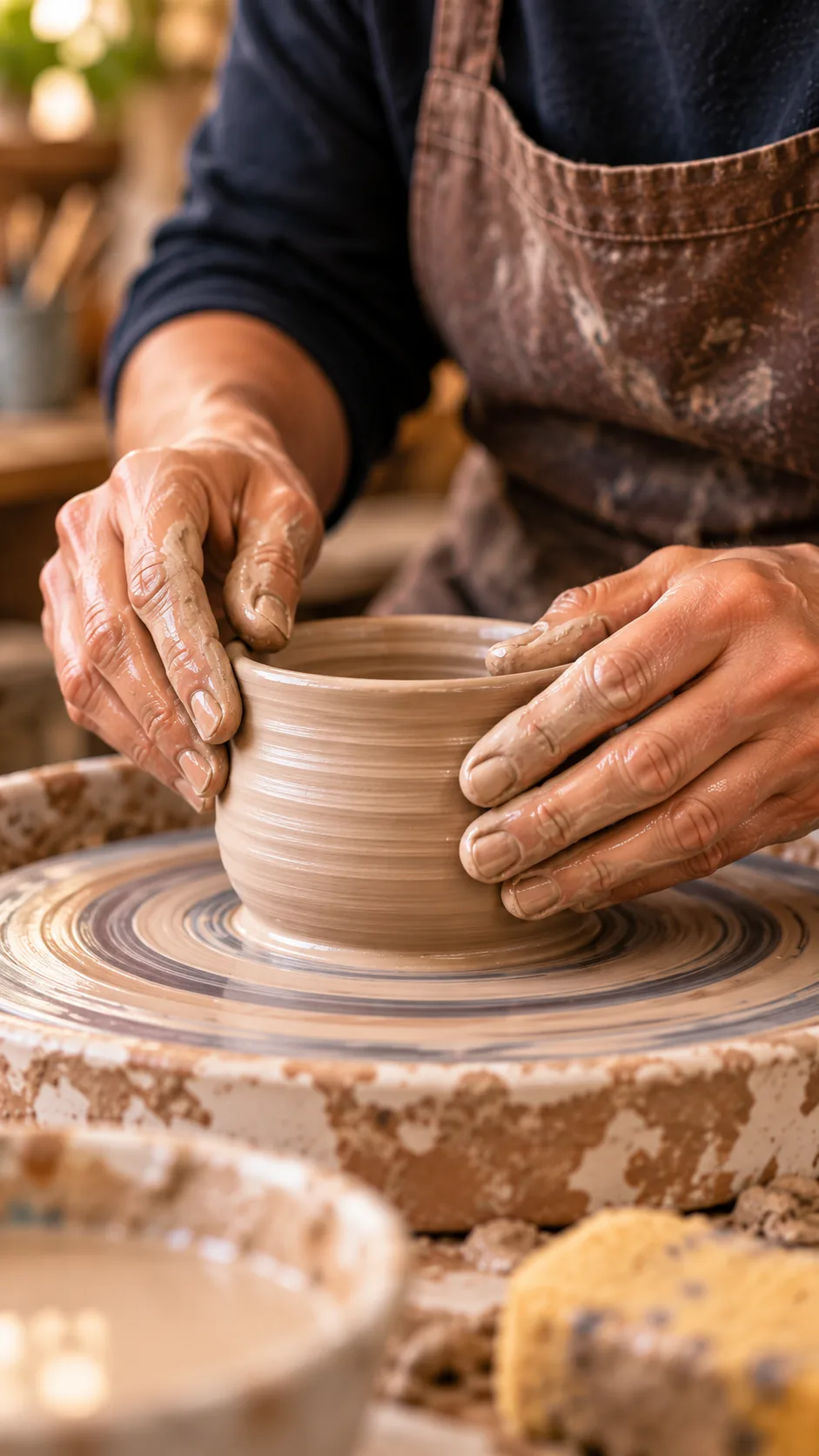
A pottery price can include a quick one-off introduction, several weeks of structured instruction, clay, tools, glazing, kiln work, and studio practice. Or, it might only cover a fraction of those things. To find the real cost, you need to look at the entire learning and firing process, not just the first number you encounter.
Start with the class format
The format of the class changes the value significantly. A one-session workshop focuses instructor time and studio prep into a single visit. A multi-week course spreads the teaching out over repeated practice and usually covers more stages of the process.
If you are looking at membership, remember that this is typically access for independent makers and should not be priced the same as a beginner course. Also, keep in mind that pottery painting—which uses pre-made objects—has a completely different cost structure than forming raw clay from scratch.
Ask every studio to be specific about the format, how long it lasts, and how many visits are expected. If you are a Burnaby resident comparing studios in Vancouver, New Westminster, or South Surrey, you should also factor in evening travel and the cost of coming back to collect finished pieces alongside the tuition.
Separate materials from processing
Clay is only one part of the equation. You need to ask if the fee includes a clay allowance, shared tools, glaze, bisque firing, and glaze firing. You should also find out if extra charges apply based on the weight of the clay, the dimensions of the work, or the number of pieces you get to keep. Extra clay or oversized projects can change your total even if the teaching time remains exactly the same.
Kiln work is a significant part of the cost because it involves staff time. Drying, loading, firing, and unloading continue long after your lesson ends. Ask whether firing is included in the price, whether it is optional, or if it is charged separately. You should also ask if an unsuccessful piece—one that cracks or fails in the kiln—still incurs processing costs. Do not assume a broken piece will result in a refund or a free replacement.
Account for teaching and practice
The size of the group and the amount of individual attention you receive will affect what you actually learn. Ask how many students are assigned to one instructor and whether every participant gets continuous use of a pottery wheel or if you have to rotate.
For longer courses, check if extra practice time is included and whether you can make up missed classes. Having access to the studio for practice without an instructor is a very different benefit than attending another taught session.
Clayground Ceramics Studio in South Surrey distinguishes between introductory workshops, six-week classes, and memberships. Their official FAQ also clarifies that preparation, practice rules, and firing are all distinct parts of studio operations. You should compare their current inclusions rather than assuming a workshop includes everything a full course does.
Dodream Ceramic Studio in New Westminster offers one-day, six-week, drop-in, and group formats. These should be priced as different types of purchases, even though they all involve working with clay.
Stablehands Pottery offers wheel options in Abbotsford. Their official site notes they are not currently offering handbuilding, so make sure you are comparing their current wheel classes against other wheel instruction rather than relying on older activity descriptions.
Add the costs outside the studio
You need to account for the logistics of getting to and from the studio. Include transit, fuel, and parking. A full course might require several trips. Ask the studio if someone else can collect your work for you and how long they will hold finished pieces before they must be picked up.
Equipment is another potential expense. Beginners should wait for specific directions from the studio before spending money on tools. Ask what kind of clothing or footwear is required and if an apron is provided. A low initial class price can quickly lose its economy if it assumes you will buy expensive tools that you might not want to keep using.
Build a fair comparison
To find the best value, write down a breakdown for each option: * Tuition and tax * Clay and glaze costs * Tool and studio access fees * Firing fees * Number of pieces you keep * Total taught hours vs. practice hours * Required number of visits * Travel costs * Cancellation or missed-class policies
The cheapest option might simply be a short trial session that tells you whether you actually enjoy working with clay. The best value for a committed learner is often the course that provides guided repetition. Use the creative class directory and area pages to compare what providers are currently offering, and then ask for an all-in price explanation before you pay.