To pick the right pottery-painting outing, you should answer three questions in this order: are you decorating a ready-made ceramic object, do you want guidance or independent table time, and can you return for the finished piece? Making those decisions matters more than looking at a menu of blank mugs and figurines.
Separate painting from making clay work
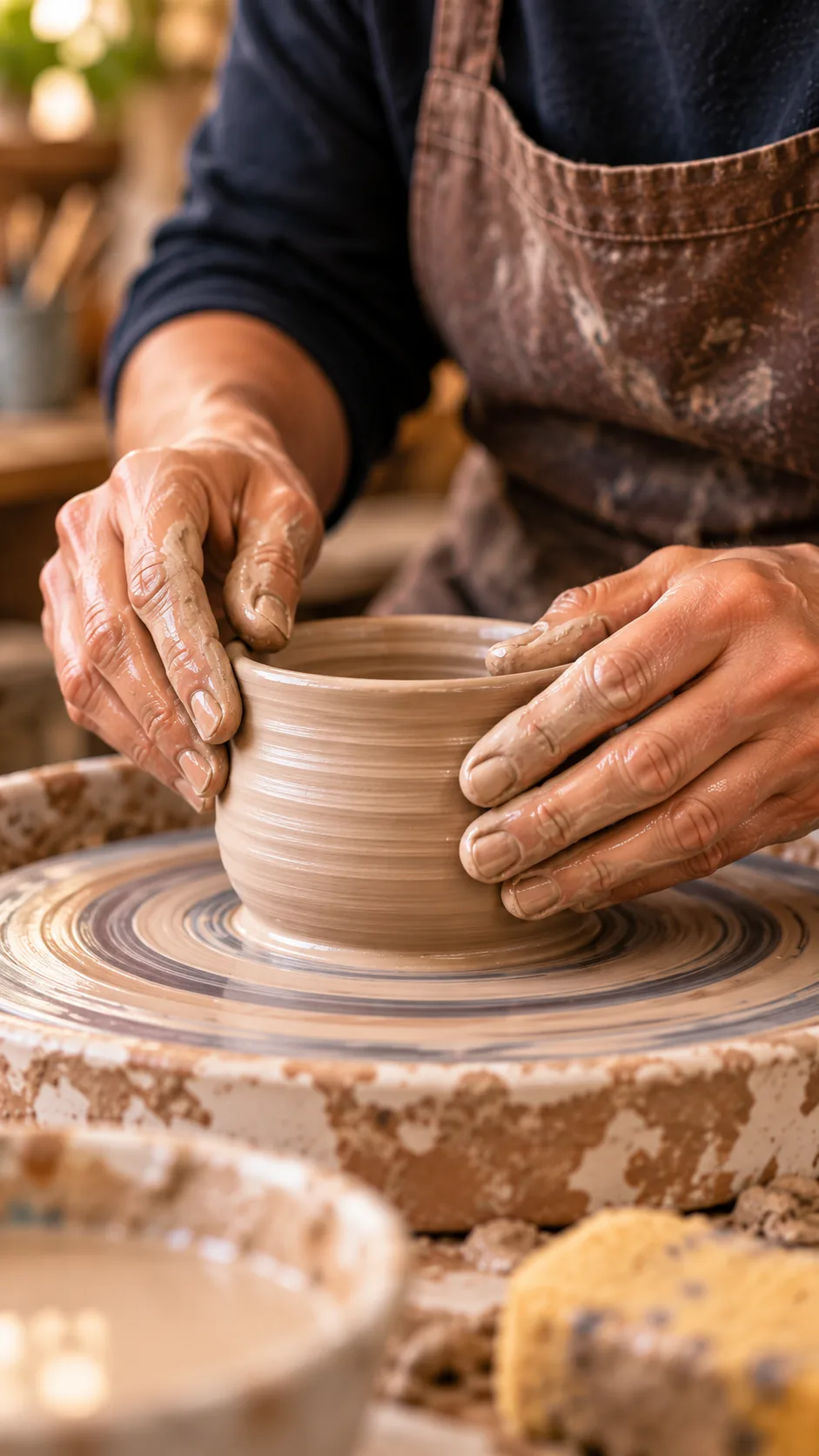
Paint-your-own pottery usually starts with a ceramic blank. You pick an object, apply the studio's colors, and leave it for the provider to handle the finishing and firing. Handbuilding is different; it starts with raw clay and teaches you how to form the object yourself. Wheel throwing is another making process that requires its own equipment and has a different learning curve.
A studio might offer all three, so the name of the business alone won't tell you exactly what you are booking. If your goal is to shape a mug, ask for handbuilding or wheel instruction. If you want to spend most of your time on color and pattern, ask for pottery painting. You should also distinguish between kiln-fired color and a take-home craft using a different paint system. Ask the studio which process is used and what the care instructions are.
Decide how much instruction you want
An open drop-in works well if you have your own ideas and feel comfortable asking questions as you go. A guided event might be better if you want to see a demonstrated technique or participate in a common group project. For children, first-time painters, or anyone needing a clearer structure, ask what kind of orientation staff provide and how you can request help once the painting starts.
Timing is another factor. Ask whether your table has a fixed duration, if the time spent choosing a blank counts toward that duration, and what happens to any unfinished work. A complex platter and a tiny ornament put different demands on the same session. It is better to choose your project after you understand how much time you actually have.
Compare the full purchase
Ask exactly what the displayed price of a ceramic piece includes: materials, table use, final glaze, kiln firing, and tax. Find out if premium shapes or special techniques will add to the cost. Don't rely solely on an old online photo of a shelf; selection changes, and the studio can tell you what is actually available for your specific date and budget.
The policy for the finished work is important too. Confirm the expected pickup range, the final date the studio will hold the item, and the procedure if something breaks or has an unexpected firing result. If you are traveling from another city, ask whether someone else can collect the piece for you. A convenient painting session can become a hassle if you haven't considered the return trip.
Compare studios by geography and format
Bella Ceramica Studio in West Vancouver clearly separates paint-your-own pottery from clay handbuilding and wheels. They advertise walk-in painting as well as a reservation route, which gives North Shore visitors two different planning options to look into.
Hot Pottery Painting is a Coquitlam option for people in the Tri-Cities. Ask whether the current booking is for decorating an existing form or making with clay.
Cafe au Clay Studios in Vancouver lists drop-in pottery painting separately from wheel classes, handbuilding, workshops, and membership. That separation helps visitors avoid booking a clay-learning format when they actually want a casual painting outing.
These links lead to directory results where you can compare providers and then check their official booking information. They do not imply identical stock, instruction, or accessibility.
Choose for the people attending
For families, confirm age expectations, adult supervision, and whether an adult who is helping needs to pay for their own project. For a date or a group event, decide if independent designs are okay or if you want everyone to follow one specific activity. Ask about food, drinks, outside decorations, and late arrivals rather than assuming standard café or party rules apply.
Anyone with mobility, sensory, or communication needs should ask about the specific tables, the route, washrooms, noise levels, and the teaching approach. A casual creative activity is only a good choice if the space and the pace are usable for everyone involved.
Make the decision
Pick the studio that can answer what you will paint, how the session works, what the total cost includes, and how collection happens. Then choose the shortest sensible journey, especially if you have to go back to pick up the piece. Browse the creative class directory or compare BC areas once you know which format you want.