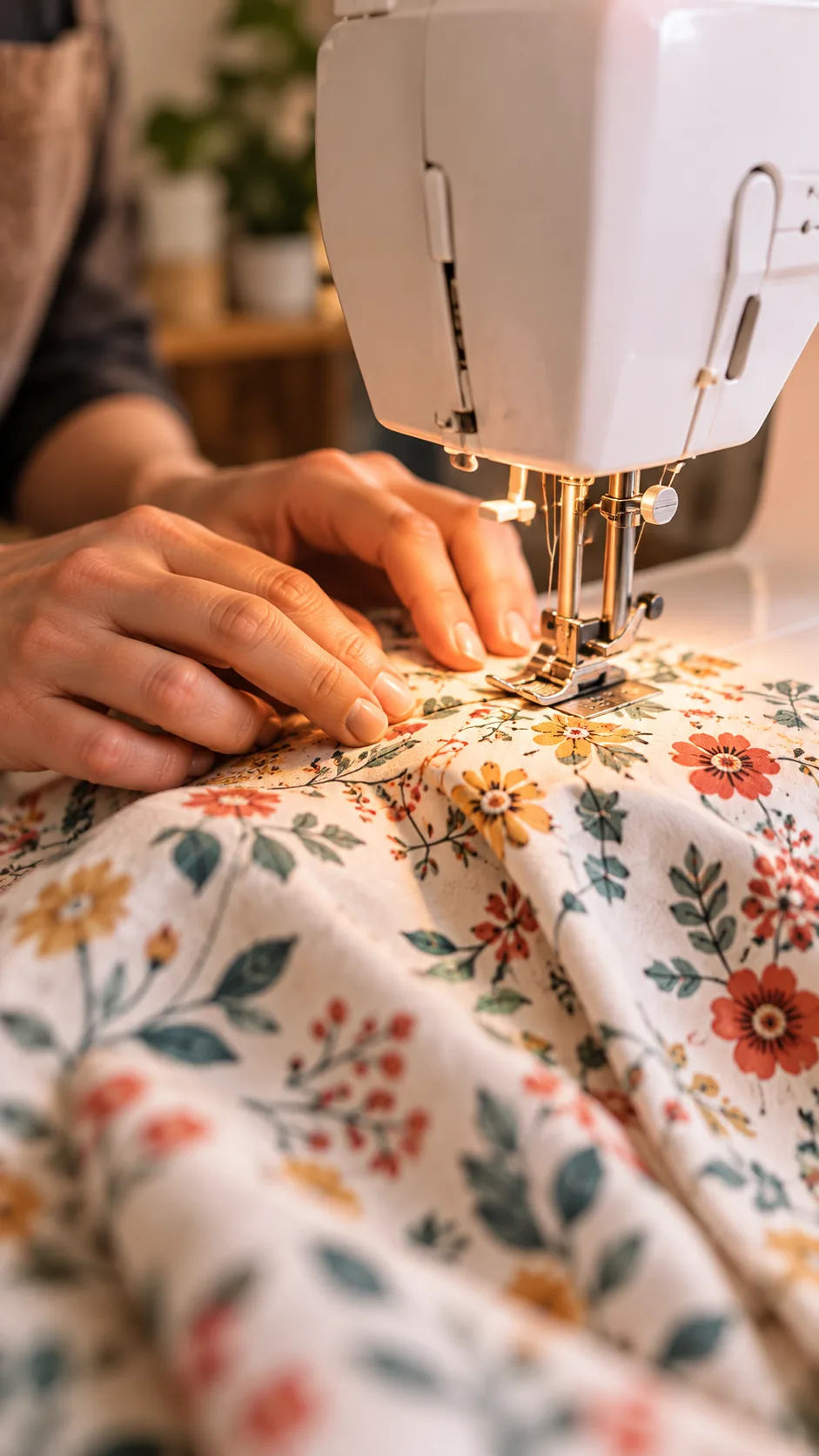
The best way to pick a quilting class is to identify the specific decision you cannot solve alone. An absolute beginner might need help with machine setup and mastering an accurate quarter-inch seam. A confident sewist might be looking for help with color placement, free-motion quilting, or binding. If you are looking around Chilliwack and Langley, read the actual class description rather than assuming every sewing or fibre-arts listing is a dedicated quilting course.
Begin with the stage of the quilt
The term “quilting class” is broad and can refer to several different processes. Piecing is the act of joining fabric into the quilt top. Quilting is the process of stitching the top, batting, and backing together. Binding is the final step that finishes the edge. A class might focus on only one of these stages, which can be very useful if that specific stage matches your goal.
For a first experience, you should ask whether students make a small sample, a table runner, a quilt top, or a complete quilt. A compact project gives you a better chance to reach the finishing steps. Larger projects might require you to do work between sessions and can become expensive or frustrating if the pace of the class is unclear. Ask what must be finished before each meeting and whether you can catch up on missed steps during class time.
Match prerequisites to what you can demonstrate
A course labeled for “beginners” might be intended for beginner quilters who already know how to operate a sewing machine independently. You should ask whether the instructor teaches threading, bobbin winding, and seam control, or if they expect you to already know those skills. If rotary cutting is part of the class, find out whether safe cutter use is taught and if you need to bring your own mat and ruler.
It helps to describe your experience with specific tasks when inquiring. For example: “I can sew a straight seam,” “I have never used a rotary cutter,” or “I have pieced a top but not quilted it.” Being specific makes it easier to tell the difference between an introductory course and a technique workshop. It is also worth asking whether the method being taught depends on a particular machine feature, presser foot, ruler, or template.
Decide between a project and a technique
A project class provides a sequence and a visible outcome. This is a good fit for learners who want help choosing fabric, reading a pattern, and assembling components in the correct order. A technique class concentrates on one transferable skill, such as curves, appliqué, scrap composition, or free-motion stitching. These may produce samples rather than a finished object.
Consider how you learn best. A demonstration might be enough for an experienced maker, whereas a new quilter might benefit more from supervised repetition and feedback on every block. You may want to ask about the class size, how much access you get to the instructor, if there are written instructions, and whether the classroom stays open for practice between demonstrations.
Count the equipment as part of the choice
Confirm whether you need to bring your own sewing machine, walking foot, free-motion foot, extension table, cutting mat, rotary cutter, rulers, iron, or design wall. If the studio provides a machine, ask for the model name early enough to check its controls. If you are traveling from Abbotsford or Mission, remember to include the extra effort of transporting and unloading your gear when comparing a location in Chilliwack versus Langley.
Materials are another major factor. Using a kit reduces uncertainty and keeps the whole group on the same page, but it might limit your fabric choices. Buying your own fabric gives you creative control, but it requires following an exact list. Ask for the yardage needed, minimum piece sizes, whether precuts are acceptable, and whether fabric should be washed beforehand. Do not buy batting or backing until you know the final dimensions and the stage of the class.
Investigate quilting-specific evidence
Carola's Quilt Shop in Ryder Lake offers hands-on classes and teaches quilting, sewing, and textile art. It is a good idea to check their current class listing or contact them about group classes to confirm the active topic before making the drive.
Castle Sewing (Castle's Sewing Centre) in Langley offers sewing, quilting, and embroidery classes. You should ask for the specific quilting title, any prerequisites, and the equipment list. Chilliwack Cultural Centre has a broad fibre-arts programme that includes sewing among other textile practices; check their live schedule to see if a quilting-specific project is actually available.
Make the booking decision
Compare your options based on five facts: the technique being taught, the prerequisites, the take-home result, the equipment you need to bring, and the number of sessions. Consider the travel time you can realistically manage. The best choice is usually the class where the published project matches your next skill gap and whose preparation you can complete without guesswork.