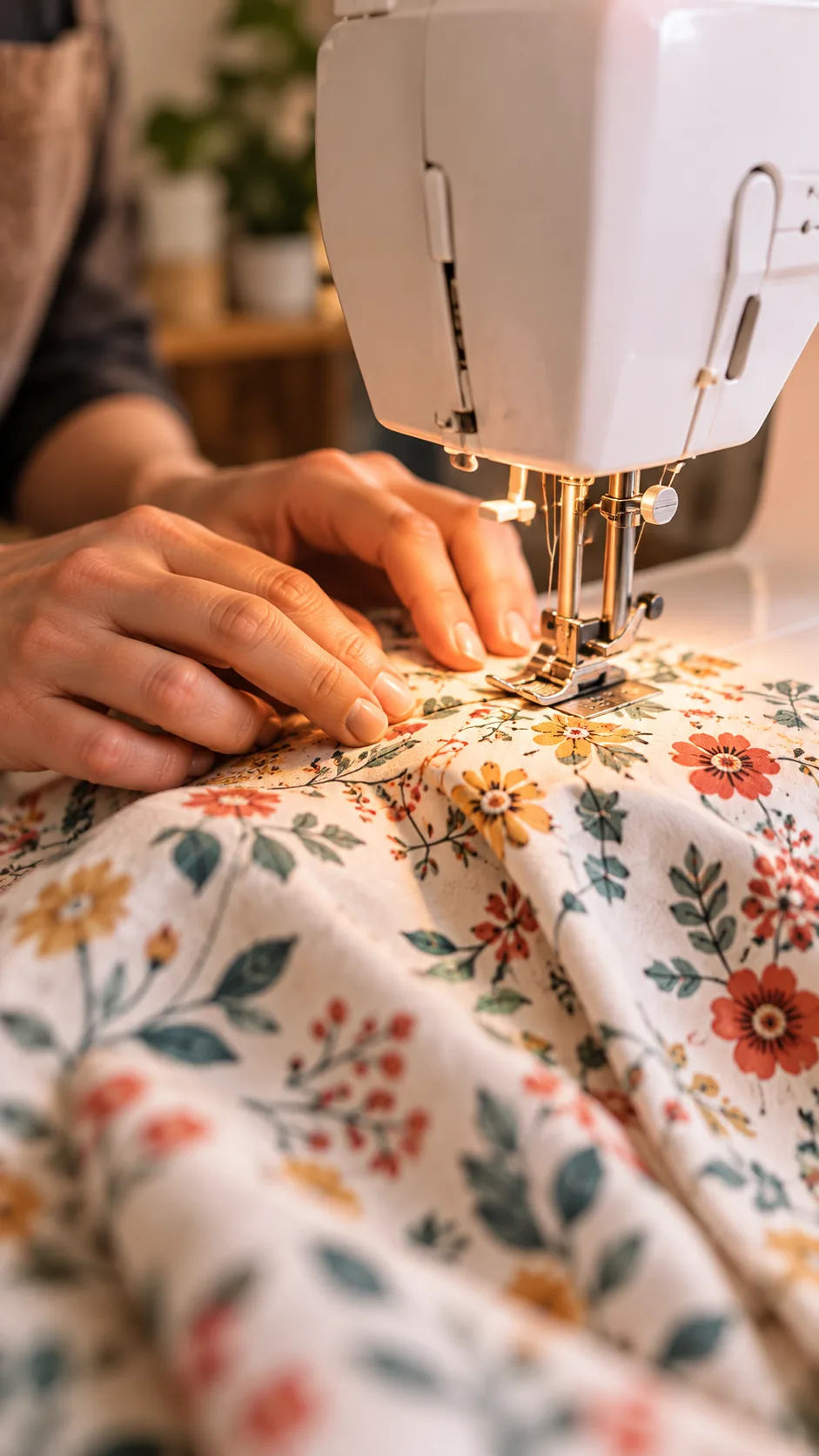
Quilting class tuition is usually just one piece of the puzzle. Between fabric, batting, backing, thread, patterns, and various tools, the actual cost of a project can climb quickly. To get a real comparison between options in places like Chilliwack or Langley, you should look at a complete supply list and ensure you are comparing the same project stage.
Project size changes the material bill
The scale of what you are making changes everything. A simple block or a table runner won't require nearly as much fabric as a full-sized bed quilt. You should ask for the finished dimensions and the exact yardage needed, making sure to include binding and backing in those numbers. If the class provides a kit, find out exactly which layers and notions are included.
Fabric choice is another variable. A specific pattern might require a certain number of colors, specific values, or minimum piece sizes. It is a good idea not to substitute precuts or remnants until your instructor confirms they will work for that specific project.
Tools may be borrowed, shared or purchased
Specialty items like rotary cutters, mats, acrylic rulers, marking tools, and templates can drive up your costs. You should ask what the classroom provides and what you are expected to bring. If the class supplies a machine, check to see if the necessary feet and bobbins are included.
There is no need to buy a specialty ruler or a free-motion foot for a single class until you are sure they work with the specific method being taught and your own machine. Borrowing tools can make a first workshop much more affordable, and you may only want to invest in owning them if you plan to keep quilting.
Tuition reflects format and attention
The price of a class often depends on how much time the instructor spends with you. A one-day technique workshop, a multi-week foundation course, and a private lesson all offer different levels of instruction. When comparing, look at the instructional hours, the group size, the amount of preparation required, and the expected outcome.
A project using precut pieces might be a good fit for a short session, whereas a course that covers everything from fabric selection to assembly will naturally cover more of the process. Also, be sure to read the terms regarding missed sessions. If you miss an essential class, you might face an extra cost if you need to pay for private help to catch up.
Finishing may be separate
Sometimes a class ends once you have finished the quilt top. Finishing the project—things like layering, basting, machine quilting, and binding—might require additional instruction, a larger machine, or a professional long-arm service. It is worth asking where the advertised project stops and what equipment you will need to actually finish the piece.
It is also easy to overlook batting and backing since you might not need them during your first lesson. If your goal is a completed quilt, make sure to include those items in your budget.
Travel is part of the calculation
If you are traveling from Surrey, Abbotsford, or Mission, you have to account for the cost of every trip, parking, and the physical burden of carrying a machine and a cutting mat. A multi-week course that is a long drive away can end up costing more than the registration fee suggests.
You should also think about protecting your fabric and electronics from wet weather and ask the provider about unloading and storage options. A class that provides machines can reduce both the risk of damage and the effort of transporting gear.
Investigate verified local options
Carola's Quilt Shop in Ryder Lake offers hands-on classes and can help with group or guild enquiries. You should ask them for a current class description and a complete supply list. Castle Sewing (Castle's Sewing Centre) in Langley lists quilting under its class categories, but you will need to confirm their current topics and what is included in the fee.
Chilliwack Cultural Centre publishes programs for sewing and fibre arts, but the category alone doesn't guarantee a quilting-specific class. You should only compare an actual live quilting event.
Request one total estimate
To see the real picture, ask for a total estimate that includes tuition, tax, kits, patterns, fabrics, batting, backing, tools, machine use, and likely finishing costs outside of class. Adding travel and the risk of absences to that number will help you see if two similar-looking classes are actually teaching the same part of the quilting process.
Try to keep reusable purchases separate when you are comparing costs. A high-quality ruler or cutting mat can last for years of projects, while a template made for one specific pattern has much narrower value. Keeping that distinction in mind makes the total cost of your first class easier to judge.