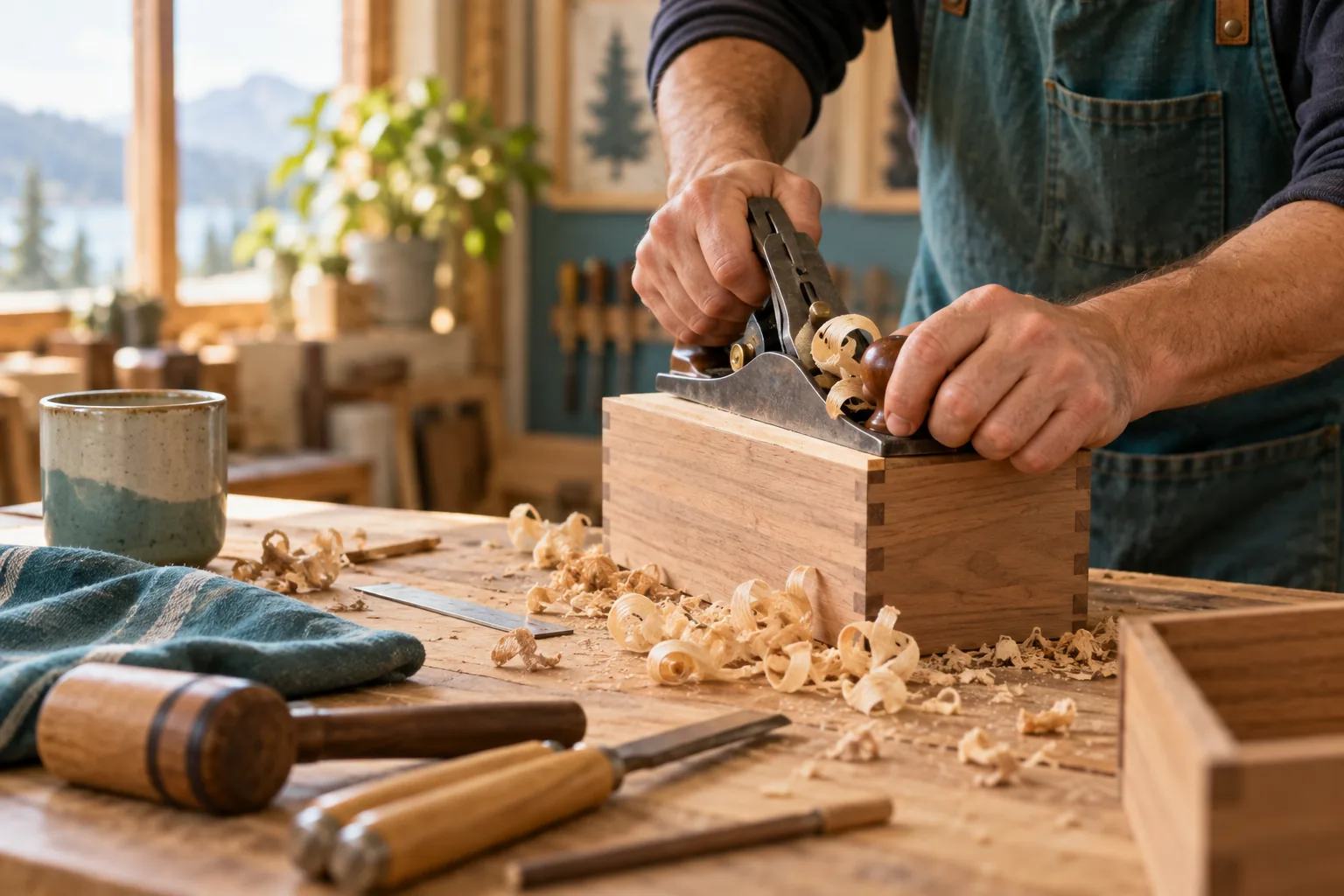
Woodworking safety is a product of the entire learning environment. It requires a combination of appropriate projects, instructor demonstrations, well-maintained machinery, consistent supervision, and students who show up ready to listen. Wearing safety glasses is only one small part of the equation. Before you book a session, you should understand how the instructor introduces specific tasks and how they handle situations where a student might not be ready for a particular operation.
Ask how the safety sequence works
You should find out if the shop begins with a general briefing and if every machine gets its own specific demonstration. It is worth asking how instructors verify that students actually understand the instructions before they start running equipment. A quality response will focus on how they manage boundaries and supervision, rather than simply mentioning that students sign a waiver.
MakerLabs Vancouver uses a system where safety and orientation classes are required for specific tool areas. They treat project workshops, memberships, and drop-in sessions as distinct setups. This distinction is important because finishing one specific project does not automatically mean a person is cleared to use every tool they encountered during that class.
Match the course to real experience
It is important not to exaggerate your skill level just to get into a more advanced class. Be honest with the provider about which tools you have actually used and the level of supervision you had while using them. You may also want to ask if the curriculum assumes you already know how to handle measurement, machine setup, or stock preparation.
Edge City Woodworking School lists specific starting points for beginners to distinguish them from advanced coursework. Their official guidance also stresses the importance of staying alert, wearing suitable clothing, and following shop rules. Always follow the specific instructions provided by the shop you are in; do not try to swap in habits you learned from online videos or a different workshop.
Prepare clothing and protective equipment
Check the rules regarding footwear, jewelry, hair restraint, and how fitted your clothing should be. You should also ask if the shop provides eye and hearing protection or if you are allowed to bring your own. Keep in mind that prescription glasses do not always serve as a substitute for rated safety eyewear. If hearing protection makes it hard to hear spoken instructions, ask the instructor how they will signal when they need you to stop or when they are moving to the next step.
Since gloves can be a serious hazard around rotating machinery, you should never wear them during an operation unless the instructor specifically tells you to. If you have sensitivities, ask about the shop's dust, adhesive, and finish protocols. The provider should identify materials and controls, while you decide whether they suit your needs.
Consider physical and sensory demands
You can ask about the physical aspects of the class, such as how long you will be standing, the weight of the heaviest items you will handle, the height of the workbenches, and how much reaching is required at various machines. Workshops often involve loud noises, extraction systems, and moving pieces of wood. Even a class designed for beginners might include tasks that require some level of physical adaptation.
If you require assistance moving materials, a seated workspace, or specific breaks, it is best to mention this before you pay. Ask the instructor what can be adjusted without making an operation unsafe. A direct, honest answer about limitations is much more helpful than a vague promise that everything will be fine.
Know when to stop
You should arrive at your class well-rested and fully capable of focus. If you cannot hear the direction, see the cutting line, maintain a steady grip, or understand a machine setup, tell your instructor immediately. Do not attempt to adjust a guard, clear out waste, or reach into a machine's operating area unless you are explicitly instructed to do so. If something feels off, stop what you are doing and ask for help instead of trying to keep up with the rest of the group.
The Urban Woodworker offers courses across three different Metro Vancouver locations, and the specific offerings can change depending on the venue. Always confirm that the safety rules and equipment details apply to the specific location and course you have signed up for.
Separate completion from qualification
When a class ends, ask specifically which tasks you are now trained to perform and which ones still require instructor supervision. While it is good to keep notes on the correct safety sequences, you should not view a certificate or a finished project as a universal permit to use similar machines in a different shop. Every workshop has its own unique tools and induction processes. A good beginner class should teach you the technical process as well as the judgment to know when you need to ask for help again.